AW-10865990051
Production-ready analytics · enterprise data integration

Production-ready analytics starts with production-ready data.

IOblend is enterprise data integration and DataOps software for building analytics-ready data pipelines across operational systems, cloud platforms and legacy estates. Combine batch, streaming and Change Data Capture data, transform and validate it in flight, and deliver trusted, current data into the analytics platform you already use—without rebuilding the rest of the stack.

analytics-ready data real-time analytics batch + streaming Change Data Capture data quality record-level lineage Apache Spark pipelines
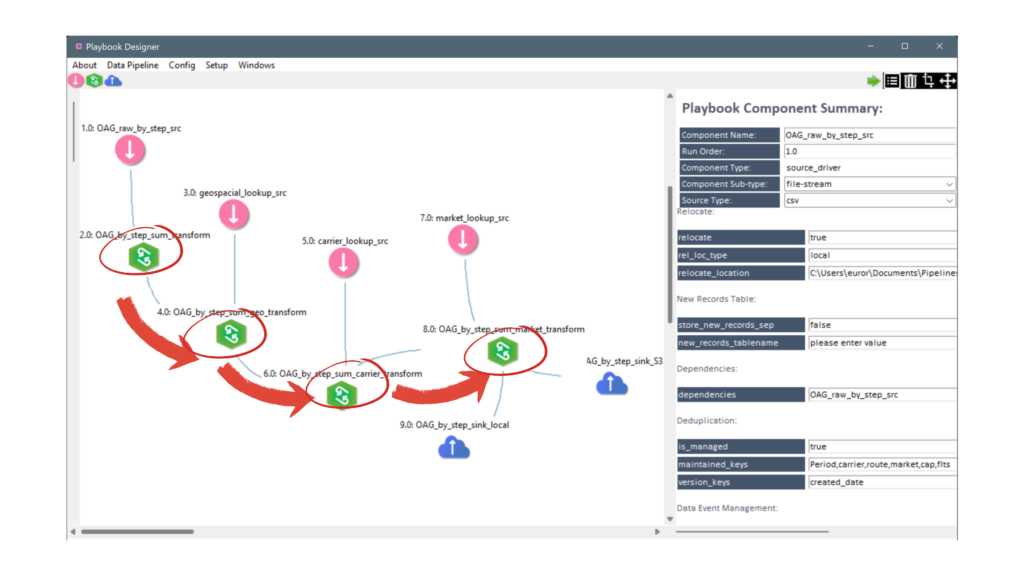
IOBLEND · ANALYTICS DATA PIPELINE existing WordPress media asset
IOblend Designer modular production data pipeline for analytics-ready data integration
IOblend Designer — reusable production pipeline logic across sources, transforms and analytics destinations.
OPERATIONAL DATA ERP · CRM · files · databases · events · APIs
IOBLEND PRODUCTION LAYER integrate · transform · validate · govern · maintain state
ANALYTICS-READY DATA warehouse · lakehouse · BI · real-time analytics · AI
Use more of the estateConnect old and new systems without a rip-and-replace programme.
Move logic into the flowApply transformations and quality before data reaches analytics.
Keep context attachedCarry lineage, schema and state through the pipeline.
Operate in your environmentRun on your Spark infrastructure.
Where IOblend fits

Make the production pattern explicit.

IOblend connects the estate, applies business logic and production controls while the data moves, then delivers it to the systems that need it.

01 · capability

Connect heterogeneous sources

Bring data from databases, applications, APIs, files, streams and legacy systems.

Product overview →
02 · capability

Transform with engineering control

Use SQL, Python and metadata-driven components for business logic.

How it works →
03 · capability

Govern before delivery

Apply schema, quality, lineage, deduplication and exception handling before analytics consumes the data.

Production controls →
Operational outcome

Turn the use case into an operable production flow.

The value comes from combining data movement with the controls required to trust and operate it.

Fewer hand-offsReduce the number of separate tools and scripts between source and analytical destination.
Faster iterationChange business logic without redesigning the entire integration stack.
More trusted analyticsMake data quality and provenance visible before dashboards or models consume the record.
Illustrative analytics pattern

Make freshness a pipeline choice instead of an overnight limitation.

For many analytics estates the efficiency gain is not raw speed — it is avoiding repeated full reloads and moving quality controls upstream of the dashboard.

Example target cadence
Streaming

Incremental operational analytics.

ERP, CRM and service changes can be collected incrementally on an event basis or micro-batched and delivered into Fabric, Databricks or Snowflake rather than waiting for an overnight full extract.

Data movement
Change-only

Process the records that actually changed.

CDC and state reduce unnecessary source reads, network movement and repeated transformation of records that are already current.

Trust before BI
Quality first

Reject or quarantine invalid data before reporting.

Apply schema, business-rule and completeness checks inside the pipeline so analytical teams are not repeatedly cleaning the same data after it lands.

Illustrative architecture / delivery pattern. Exact implementation effort, throughput and latency depend on source systems, data volumes, infrastructure and business rules.

Incremental analytics data pipelines

Stop rebuilding yesterday’s dataset every night.

Production-ready analytics is as much about data freshness as dashboard design. IOblend can replace repeated full-data rebuilds with incremental batch, streaming or CDC pipelines that transform and validate only the data that changed, then deliver analytics-ready records continuously or on a short cadence.

Conventional pattern

Nightly full reload

Re-read large datasets, repeat transforms across unchanged records and wait until the next scheduled refresh before analytics reflects the latest business state.

00:00 06:00 12:00 18:00 24:00
Illustrative IOblend pattern

Continuous incremental cadence

Process new or changed records as they arrive, apply transformation and quality controls in flight, and update the analytical target without repeatedly rebuilding the entire dataset.

continuous +5m +10m +15m
Event Based illustrative incremental refresh cadence
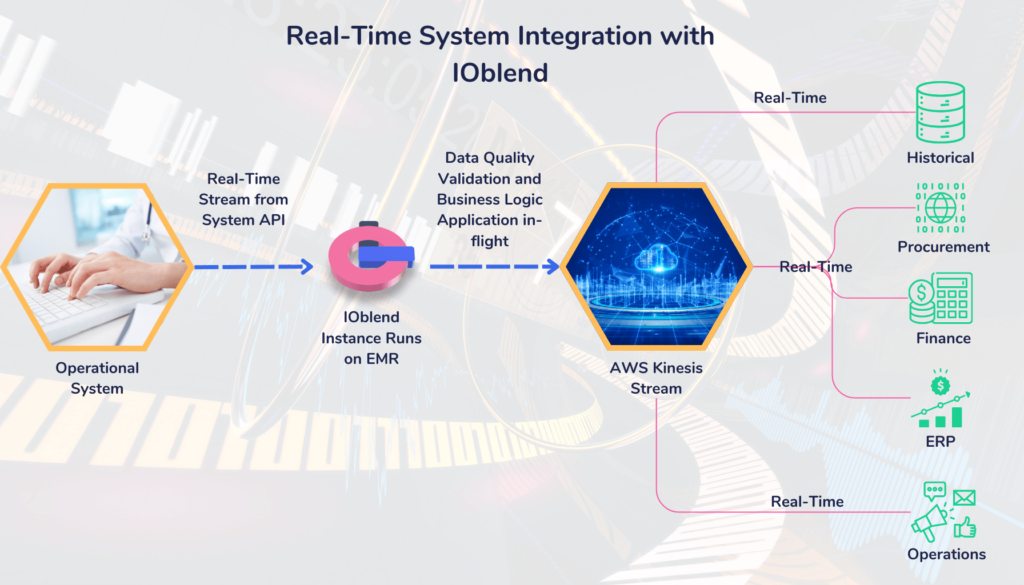
IOblend real-time system integration architecture using AWS Kinesis Stream for analytics and downstream operational consumption
Existing IOblend WordPress media asset showing a real-time integration pattern with in-flight validation and AWS Kinesis delivery.

What changes when analytics data becomes incremental?

01
Less unnecessary processing Transform new and changed records instead of reprocessing everything by default.
02
Fresher analytics-ready data Reduce the gap between an operational change and the analytical view of that change.
03
Quality remains in the flow Validate, quarantine exceptions and keep healthy records moving to the analytics target.
04
Keep the analytics platform you chose Deliver into Fabric, Power BI, AWS, a warehouse or another downstream analytical environment.
Analytics data service level

A dashboard is only as reliable as the data contract behind it.

Production-ready analytics needs explicit expectations for freshness, schema, quality, lineage and recovery. IOblend applies those controls inside the analytics data pipeline so BI teams do not have to discover a broken feed only after a dashboard, report or decision has already changed.

ANALYTICS DATA CONTRACT pipeline healthy
Analytical dataset customer_performance_current Governed production dataset feeding dashboards, operational analytics and downstream decisioning.
Freshness within target
New and changed records arrive inside the expected refresh window.
Schema validated
Columns, types and contract expectations are checked before delivery.
Data quality passing
Invalid records can be isolated while healthy analytics data continues.
Lineage traceable
Records retain context about where they came from and how they changed.
Recovery replayable
Exceptions can be corrected and replayed without rebuilding the full dataset.
Auditability recorded
Pipeline state, exceptions and changes remain available for operational review.
source change validate transform deliver analytics
01 · Freshness

Define how current “current” needs to be.

Not every dataset needs second-by-second updates. Production analytics should have an explicit refresh expectation tied to the business decision.

02 · Stability

Prevent upstream changes from quietly breaking BI.

Schema controls and validation make structural changes visible before they silently propagate into analytical models, reports or dashboards.

03 · Trust

Keep bad records separate from healthy analytics data.

Exception isolation lets valid data continue while problem records retain enough context to be investigated, corrected and replayed.

04 · Explainability

Know what changed before someone questions the number.

Record-level lineage and audit context help teams trace an analytical value back through the pipeline instead of reverse-engineering the answer later.

PRODUCTION
STANDARD
Analytics-ready data should arrive with operational guarantees—not just a table name. Treat freshness, quality, schema stability, lineage and recovery as part of the analytical product. IOblend keeps those controls inside the production data pipeline rather than leaving BI teams to reconstruct them downstream.
Explore production controls →
Production-ready analytics FAQ

Questions data and analytics teams ask before putting the pipeline into production.

Production-ready analytics depends on more than a dashboard or BI tool. The underlying data pipeline has to deliver current, governed and explainable data reliably enough for people and systems to act on it.

production-ready analytics analytics-ready data real-time analytics Change Data Capture data quality data lineage incremental data pipelines
What does production-ready analytics mean?

Production-ready analytics means the data feeding dashboards, reports and analytical applications is current, validated, traceable and recoverable. It is not just about visualisation. The integration layer has to manage freshness, schema changes, data quality, lineage, exceptions and repeatable delivery before the data reaches the BI or analytics platform.

What is analytics-ready data?

Analytics-ready data is data that has already been integrated, transformed, validated and structured for downstream analytical use. IOblend can combine data from operational databases, ERP, CRM, files, APIs and event streams, apply business rules in flight, and deliver governed records into the warehouse, lakehouse or analytics environment already used by the business.

How does IOblend support real-time analytics?

IOblend supports streaming, Change Data Capture and incremental processing so new or changed records can move into analytical environments without waiting for a full nightly reload. Streaming data can also be combined with static or historical data inside the same production pipeline before it is delivered downstream.

Can IOblend replace nightly full-data reloads?

Yes, where the source and target architecture supports incremental processing. IOblend can process only new or changed data using CDC, streaming or incremental batch patterns, reducing unnecessary reprocessing and shortening the delay between an operational event and the analytical view of that event.

How does Change Data Capture improve analytics freshness?

Change Data Capture captures inserts, updates and deletes from operational systems as data changes. Instead of repeatedly scanning and reloading entire datasets, IOblend can use those changes to maintain a current analytical target with less processing and a shorter freshness gap.

How does IOblend prevent bad data from reaching dashboards?

Data quality rules, schema validation and business checks can be applied inside the pipeline. Invalid or unexpected records can be isolated for investigation while valid records continue to the analytical destination. This allows analytics teams to protect data quality without turning every exception into a full pipeline failure.

How does record-level lineage help analytics teams?

Record-level lineage helps teams understand where an analytical record came from and how it changed through the pipeline. When a dashboard number is challenged, the team can trace the underlying data path and transformation context instead of reconstructing the answer manually after the fact.

Does IOblend replace Microsoft Fabric, Power BI or another analytics platform?

No. IOblend sits upstream of the analytics and BI layer. Microsoft Fabric, Power BI, Snowflake, Databricks, a warehouse or another analytical platform can remain the destination. IOblend focuses on connecting, transforming, validating and governing the production data before it arrives there.

Can IOblend combine batch and streaming data in the same analytics pipeline?

Yes. IOblend can mix batch, streaming and CDC sources in the same pipeline model. That makes it possible to enrich live events with historical or reference data, perform transformations in memory and deliver a unified analytical result without maintaining separate engineering stacks for each processing mode.

What happens when an upstream schema changes?

Schema controls can detect and validate structural changes before they silently propagate into downstream analytics. Depending on the pipeline design, the change can be accepted, versioned, quarantined or routed for review while protecting the analytical destination from unexpected breakage.

Can IOblend run analytics data pipelines across cloud and on-premises systems?

Yes. IOblend is designed for cloud, on-premises and hybrid data integration. Pipelines can move and transform data across the existing estate while execution remains on customer-controlled infrastructure using Apache Spark underneath.

When is IOblend a strong fit for an analytics programme?

IOblend is a strong fit when the difficult part of analytics is getting reliable data out of multiple operational systems and into the analytical environment. It is particularly relevant when teams need fresher data, reusable transformation logic, CDC, hybrid integration, production data quality or better lineage without replacing the analytics platform already in place.

The analytics platform answers the question. The production data pipeline determines whether the answer can be trusted. IOblend focuses on the integration and DataOps layer that makes analytical data current, governed and usable before it reaches BI, dashboards or AI.
Solution · production-ready analytics

Bring the analytics bottleneck, not another platform shortlist.

If your teams spend too much time getting data into a trustworthy shape, show us the sources, rules and destination.

Scroll to Top