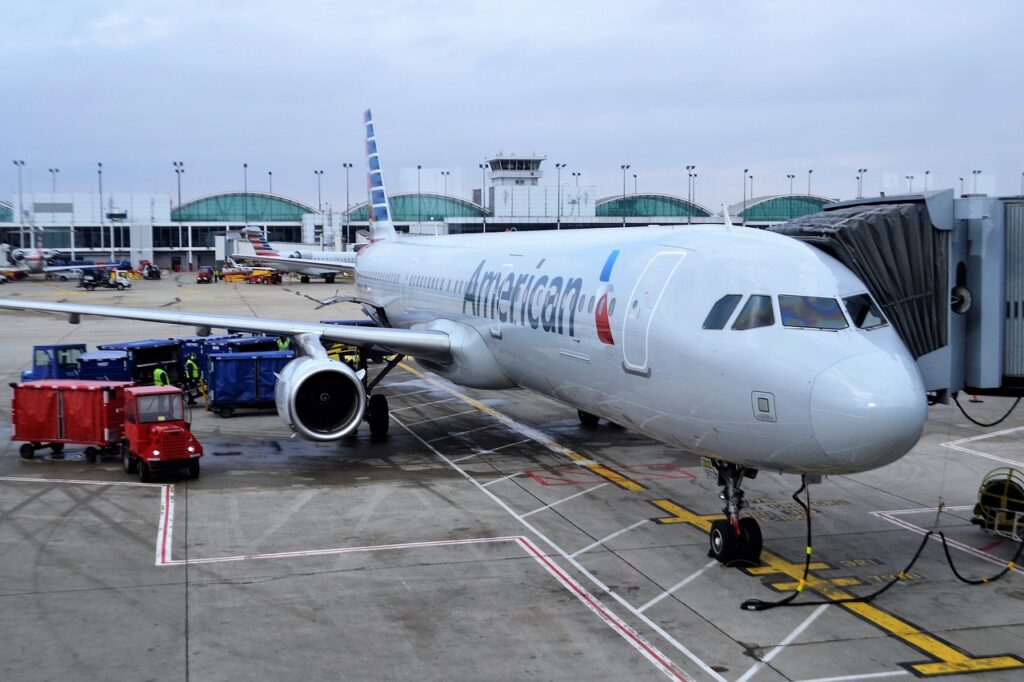
Aviation data integration for decisions that move as fast as operations.
IOblend connects aircraft telemetry, ACARS, flight operations, MRO, fuel, airport, scheduling, finance and customer data into governed production pipelines. Combine live flight and sensor data with historical and transactional systems, validate information in flight, preserve record-level lineage and deliver current aviation context to safety analytics, predictive maintenance, fuel management, disruption operations, network planning and AI.
The operational picture exists only after the systems are joined.
Aviation data integration connects live aircraft and airport events with the enterprise systems that explain the flight. Flight designation, aircraft, route, crew, fuel, maintenance, schedule, weather, passenger and commercial data usually live in different products with different update frequencies. The useful entity is the flight, asset or operation—not the system that happened to store one part of it.
Make the aircraft feed part of the live enterprise dataflow.
Aircraft and ACARS data becomes more useful when it is enriched with flight designation, equipment, route, crew, planning, maintenance and scheduling context as the records arrive. IOblend can process the feed in memory, validate it, backfill missing context from other sources and retain the provenance of each record.
Illustrative live flight-data feed
Safety analytics needs a complete event context, not one isolated feed.
Flight safety analysis can depend on aircraft data, flight parameters, weather, airport information, maintenance context and operational records. IOblend can bring those sources together while preserving record origin and quality status, giving the safety-management environment a governed data foundation for analysis and investigation.
Automate the operational cost picture while the flight data is still current.
Airline Direct Operating Cost data is spread across aircraft, fuelling, airports, crew, maintenance and finance systems. IOblend can collect, match, standardise and validate those inputs as they arrive, creating a more current cost view without waiting for manual reconciliation after the operation has already moved on.
Planned → uplifted → consumed
Keep fuel quantity, flight, aircraft and route context aligned as the operation progresses.
Combine live aircraft condition with the engineering history behind the asset.
Predictive MRO depends on more than sensor values. IOblend can combine aircraft and engine telemetry with work orders, component lineage, repair history, parts availability and operating context, producing a current governed feature set for the airline or OEM's chosen predictive-maintenance model.
Stream current aircraft condition.
Process engine, equipment and aircraft signals without waiting for an offline batch extraction.
Add the maintenance history.
Join live telemetry with work orders, component identity, repair records and parts information.
Create stateful predictive features.
Generate rolling, event-time and drift-aware features while preserving lineage back to source data.
Feed the model you already chose.
Deliver governed features into the airline or OEM's selected analytical, ML or Agentic AI environment.
The turnaround is a data synchronisation problem measured in minutes.
Aircraft preparation, fuelling, baggage, catering, crew, stand activity, weather and passenger processing all affect whether the next movement stays on plan. IOblend can combine those operational feeds with schedule and flight data so airport and airline teams work from a more current view of the turnaround and emerging disruption.
Route economics change as demand, fleet availability and operating conditions change.
Network planning depends on commercial demand, competitive context, aircraft availability, operating constraints and cost. IOblend can shorten the data preparation path by bringing those domains together in reusable production pipelines, giving planning and revenue teams more time to work with the decision rather than assemble the inputs.
Keep the engineering history attached to the asset throughout its operational life.
Aerospace data is not only about live aircraft operation. OEMs, MRO organisations and engineering teams also need component identity, manufacturing history, maintenance events, service data and configuration changes to remain traceable as the asset moves through its lifecycle.
Illustrative component lineage
Keep aviation standards and specialist systems in place. Put the reusable data logic between them.
Airlines, airports and aerospace organisations operate inside a highly specialised ecosystem. IOblend complements aviation and regulatory systems by handling cross-system data preparation, quality, state, lineage and delivery rather than attempting to replace domain applications.
Questions aviation data teams ask before joining air, ground and enterprise systems.
These answers focus on the production-data layer around aviation operations: aircraft and ACARS data, flight safety, fuel, MRO, airports, route planning, component lineage and real-time analytics.
What does IOblend do for aviation and aerospace organisations?
IOblend provides a production data integration and DataOps layer across aircraft, airline, airport, maintenance, commercial and aerospace systems. It combines batch, streaming and Change Data Capture data with transformation, quality, state, lineage and reusable business logic so trusted aviation data can reach analytics, AI and operational applications.
Can IOblend process aircraft and ACARS data in real time?
Yes. IOblend can consume live aircraft or ACARS feeds through the interfaces available in the architecture, validate and enrich the records in memory, combine them with flight-planning, scheduling, MRO and other operational context, and deliver governed output to downstream systems.
How does IOblend support flight safety analytics?
IOblend can integrate FDM or aircraft data with weather, airport, maintenance, crew and operational records while retaining record-level lineage. This provides a governed data foundation for safety analysis and investigation, but does not replace certified safety-management processes or regulatory obligations.
How can IOblend automate airline fuel data?
IOblend can combine aircraft, flight-plan, fueller, operational and financial data; standardise units and identifiers; validate completeness; reconcile planned, uplifted and consumed fuel; and deliver current data into fuel-management, reporting and analytical systems.
Can IOblend help automate Direct Operating Cost data?
Yes. DOC data can come from fuel, ground handling, crew, maintenance, en-route, overflight and airport-charge sources. IOblend can automate collection, matching, transformation and validation before the data reaches finance or analytical consumers.
How does IOblend support predictive aircraft maintenance?
IOblend can combine high-frequency aircraft or engine sensor data with MRO records, component lineage, parts data and repair history. This creates a fresher governed feature set for the airline or OEM's chosen predictive-maintenance, ML or Agentic AI model.
Can IOblend support airport and ground-operation analytics?
Yes. Ground handling, aircraft preparation, fuelling, passenger, weather, schedule, stand and resource data can be integrated into current turnaround and disruption-management views. The resulting data can feed operational analytics or optimisation models.
How can IOblend help airline network planning?
IOblend can shorten the data-preparation phase by integrating demand, bookings, fleet availability, operating cost, airports, crew and operational constraints into reusable data pipelines. Network-planning tools and analysts remain the decision environment.
Can IOblend handle aerospace component and engineering history?
Yes. Component identity, manufacturing, configuration, operational and maintenance records can be integrated while preserving lineage. This is useful where long-lived aerospace assets span several systems and technology generations.
Does IOblend replace airline operational, MRO, safety or revenue-management systems?
No. Those remain specialist aviation systems. IOblend connects and governs the production data between them so the same business logic and quality controls do not have to be rebuilt independently for every new analytical or AI use case.
Can IOblend run inside an airline or aerospace organisation's own environment?
Yes. IOblend is designed for customer-controlled cloud, on-premises and hybrid Spark infrastructure. Deployment can follow the organisation's security, data-residency and operational architecture rather than requiring data to be hosted by IOblend.
When is IOblend a strong fit for aviation or aerospace?
IOblend is a strong fit when operational data is fragmented across many specialist systems, live aircraft or airport data must be joined with historical enterprise context, data quality and lineage are important, and teams are spending too much effort manually preparing data before they can analyse or automate the operation.

Bring us the aviation systems that should already be sharing context.
We can map the aircraft, operational, maintenance, airport, commercial and financial sources; define the common keys, freshness requirements and quality controls; and turn them into a reusable production-data pattern for aviation analytics and AI.