
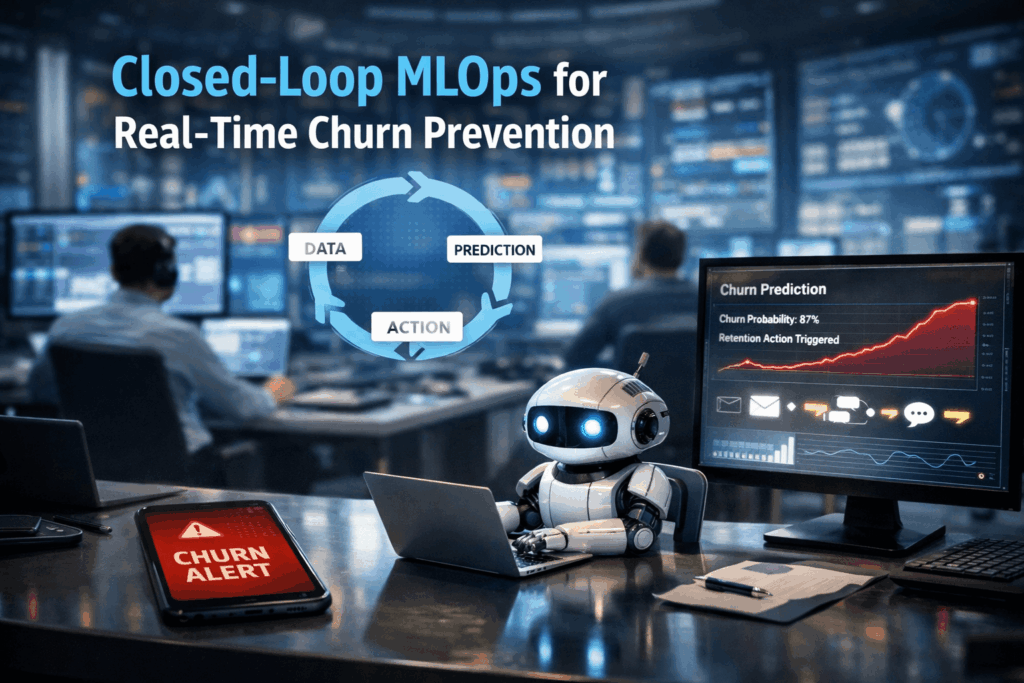
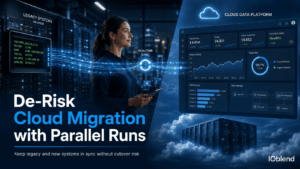

De-Risk Cloud Migration with Parallel Runs
De-Risk Your Migration: Run Legacy and New Systems in Parallel 💻 Did you know? An alarming 83% of data migrations either fail outright or drastically overrun their budgets. When management loses patience with mounting technical friction, entire digital transformations are written off. Minimising the migration gamble To eliminate this operational hazard, running legacy and new systems in
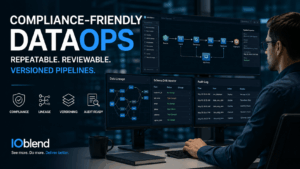
Compliance DataOps for Auditable Pipelines
Compliance-Friendly DataOps: Repeatable, Reviewable, Versioned Pipelines 📓 Did you know? According to industry compliance reports, nearly 70% of businesses face difficulties tracing their data back to its raw origins during regular regulatory audits. The Concept of Compliance-Friendly DataOps Compliance-friendly DataOps represents an operational framework that embeds strict regulatory governance directly into the data engineering lifecycle. Instead of treating data auditing
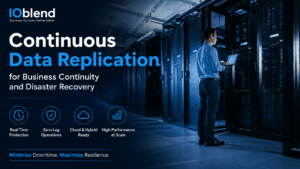
Continuous Data Replication for DR and Continuity
Continuous Data Replication: for Business Continuity and DR 📝 Did you know? According to industry studies, the average cost of IT downtime is approximately £4,500 per minute. For a large enterprise, a single hour of data loss or system unavailability can translate into millions in lost revenue, legal penalties, and irreparable brand damage. The Pulse of

Smart Meter Data: Billing to Forecasting
Utilities: Smart Meter Data to Billing and Demand Forecasting 📋 Did You Know? The global roll-out of smart meters generates more data in a single day than most utility companies used to collect in an entire decade. While traditional meters were read once a month, or even once a quarter, smart meters transmit data at intervals
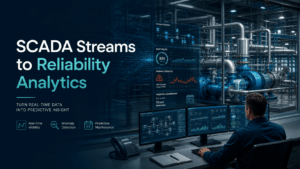
SCADA Streams to Reliability Analytics
Energy: SCADA Streams to Reliability Analytics 🔌 Did you know? The average modern wind turbine or smart substation generates roughly 1 to 2 terabytes of data every month. However, historically, less than 5% of that sensor data was actually used for decision-making. Most of it was simply discarded or “siloed” in SCADA systems, serving as a

Building Live ETA Pipelines for Fleet Operations
Logistics: Live ETA Prediction Pipelines from Fleet + Orders 🚚 Did you know? The “Last Mile” is famously the most expensive and inefficient part of the supply chain, often accounting for up to 53% of total shipping costs. The Evolution of Real-Time Logistics Live ETA (Estimated Time of Arrival) prediction pipelines represent the shift from reactive

When Enterprise Data Platforms Become Too Complex
When Enterprise Data Platforms Become Too Complex Enterprise data platforms usually start with a sensible goal: Connect the data Make it trustworthy Make it useful The problem is that, over time, the platform itself can become part of the complexity. More services are added. More specialist skills are needed. More workloads become dependent on one
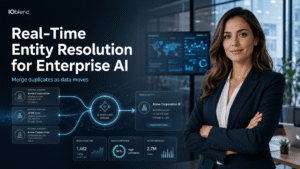
Real-Time Entity Resolution for Enterprise Data and AI
Entity Resolution at Scale: Merge Duplicates as Data Moves Enterprise data rarely arrives clean. The same customer, supplier or product can exist across multiple systems under different names, IDs or formats. For reporting, this creates inconsistency. For AI and automation, it creates unreliable context. Entity resolution has traditionally been handled through batch processing. But when
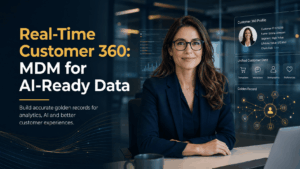
Real-Time Customer 360: MDM for AI-Ready Data
Real-Time Customer 360: MDM That Keeps Data Current A Customer 360 view is only useful if the data behind it is current. Many organisations still rely on batch integration, which means customer profiles can quickly fall behind reality. As businesses adopt AI, copilots and real-time analytics, that gap becomes harder to ignore. Real-time Master Data
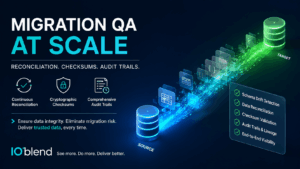
Data Migration QA: Checksums & Audit Trails
Migration QA at Scale: Reconciliation, Checksums, and Audit Trails 📂 Did you know that during enterprise database migrations, as much as 20% of quiet data corruption goes entirely unnoticed until post-cutover operational failures occur? Understanding migration QA at scale Migration QA at scale refers to the systematic validation of volume, structure, and integrity when shifting enterprise
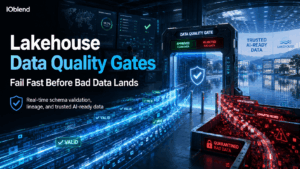
Lakehouse Data Quality Gates: Stop Bad Data Fast
Lakehouse Quality Gates: Fail Fast Before Bad Data Lands 📋 Did You Know? Up to 20% of real-time event streams suffer from schema drift, duplicate payloads, or corrupted records, costing global organisations billions each year in wasted compute, broken analytical models, and polluted reporting layers. The Concept: Stopping Bad Data at the Border Lakehouse Quality Gates are automated,
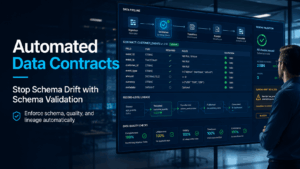
Automated Data Contracts: Stop Schema Drift
Data Contracts That Stick: Enforce Schema and Expectations Automatically 📜 Did You Know? In the early days of big data, a single unannounced column type change in an upstream transactional database could trigger a catastrophic “data graveyard” effect, corrupting millions of analytics records before anyone noticed. The Concept of Enforceable Data Contracts A data contract is
